
Clear Signs It Is Time for Professional Drain Cleaning
Clogged sewer lines can lead to some pretty nasty issues. If a backup occurs, these issues can affect the home and public health. It’s much better to be aware of the warning signs and take action when a potential drain issue is discovered. Homeowners should be familiar with the warning signs and identify problems quickly to resolve them. Below are three common signs of a sewer line clog.
1. Strange Gurgling in the Pipes
 A great early warning sign is when the pipes make gurgling noises. If a homeowner hears gurgling when a faucet is running, or the toilet is flushed, this is a sign of a sewer line clog or obstruction that must be addressed before it worsens.
Gurgling sounds happen because a blockage is beginning to happen within the sewer line. The movement of the items in the sewer line cannot properly move through, so it forces air through the blockage, which leads to gurgling noises.
These are some common blockages and obstructions in a sewer line:
- Various debris
- Foreign objects
- Grease buildup
- Tree roots
- Damage to the line
- Toilet paper and other buildup
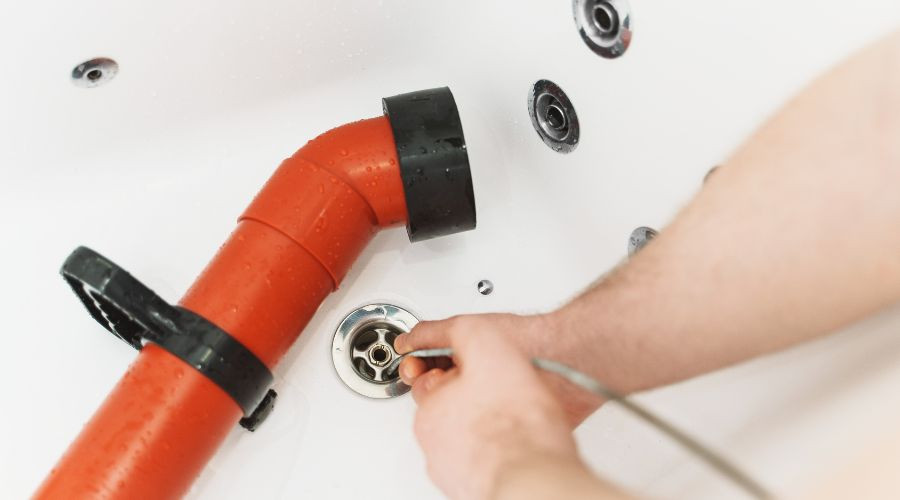
When a gurgling sign is heard or noticed, it is best to call a plumber. They can clean the drain with hydrojetting or a drain snake that will help clear the obstruction or blockage and get the sewer line back to normal operations.
2. Water or Sewage Backing Up
When a sewer line clog is not resolved or noticed, it can lead to a backup in the line. This can happen with water or sewage and should be treated with care. This is an alarming sign, and it should never be ignored. Sewage backup can be very hazardous and should only be handled with the right safety measures.
When a backup occurs, it is typically caused by a significant blockage, and nothing can move through the line. The line starts to back up at some point because it has nowhere else to go until it is clear. This can happen due to various clogged sewer line issues or tree root intrusion.
If wastewater is backing up, it is very serious and can cause health risks from contamination. It must be addressed immediately, and a plumber should be called immediately.
3. Sluggish Drains and Standing Water
 Finally, drains that are sluggish or leave standing water while they drain slowly are another common sign that it’s time to take action. When the drain is slow in any of these areas, there is a problem:
- Bathtubs
- Showers
- Sinks
Anywhere that water should drain could be affected. If a homeowner notices it draining unusually slowly, this is a great early warning sign to take action before it worsens. This can happen from pipe damage from debris or a partial obstruction.
About AirWorks Heating & Air
AirWorks Heating & Air is a local company with respectable and highly-trained technicians. They offer flat rate pricing and warranties on parts and services. Call them today for drain cleaning services in Wake Forest, NC.
)
Distribution Links +
- https://smb.amnews.com
- https://smb.austindailyherald.com
- https://smb.americanpress.com
- https://smb.dailyleader.com
- https://smb.oxfordeagle.com
- https://smb.vicksburgpost.com
- https://smb.bluegrasslive.com
- https://smb.claiborneprogress.net
- https://smb.clantonadvertiser.com
- https://smb.brewtonstandard.com
- https://smb.demopolistimes.com
- https://smb.elizabethton.com
- https://smb.greenvilleadvocate.com
- https://smb.jessaminejournal.com
- https://smb.kenbridgevictoriadispatch.com
- https://smb.leaderpub.com
- https://smb.luvernejournal.com
- https://smb.selmatimesjournal.com
- https://smb.thesnaponline.com
- https://smb.troymessenger.com
- https://smb.windsorweekly.com
- https://smb.clemmonscourier.net
- https://smb.gatescountyindex.com
- https://smb.harlandaily.com
- https://smb.irontontribune.com
- https://smb.ourdavie.com
- https://smb.state-journal.com
- https://smb.thecharlottegazette.com
- https://smb.thecoastlandtimes.com


)