
Exploring the Causes of Low Water Pressure

What Causes Poor Water Pressure?

Weak water flow can significantly disrupt daily activities, especially when showers or faucets perform poorly. A variety of plumbing issues can cause these frustrating drops in water pressure.

By identifying the underlying causes, such as fixture problems or plumbing system faults, it becomes easier to find effective solutions. Many of these issues can be resolved with simple steps that do not require extensive repairs or professional intervention.

Faulty Fixtures or Closed Valves

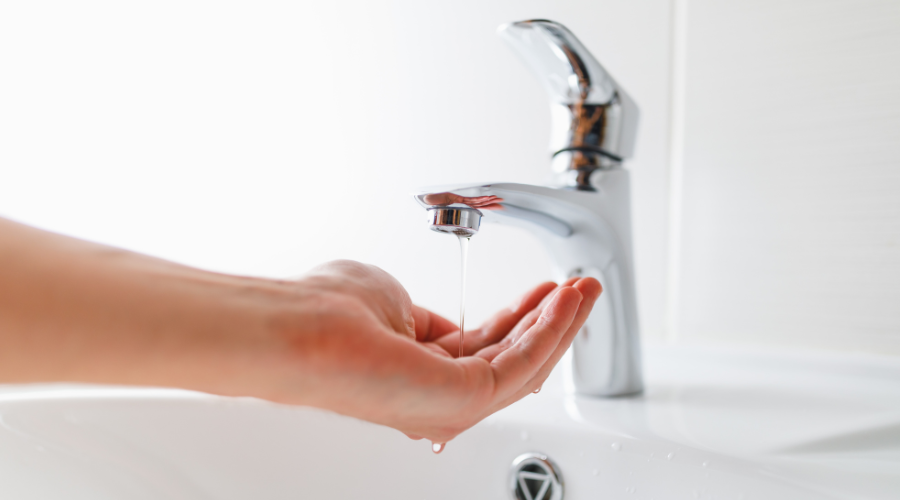
shower head When water pressure is low at only one fixture while others work properly, the issue often lies within that specific faucet or showerhead. Mineral deposits or internal wear may be restricting the flow at that point.

Calcium and magnesium buildup inside aerators or showerheads often leads to blockages. Cleaning with vinegar usually restores performance. If cleaning fails to help, age-related deterioration may be the cause. Older fixtures with damaged parts may need to be replaced to restore proper flow.

In cases where pressure is low throughout the entire property, a partially closed valve might be to blame. The main shutoff or water meter valve may not be fully open, limiting water access across the system. Reopening these valves completely often restores normal pressure without requiring further action.

Water Leaks

water leak Leaks within the plumbing system divert water from where it is needed, causing a noticeable drop in pressure. These leaks can occur gradually or suddenly, often without visible signs.

Underground or hidden pipe damage can result in significant water loss. Rising utility bills combined with lower pressure often point to this issue. Specialized equipment allows professionals to detect leaks even when they are not easily visible. Repairing damaged sections typically restores water pressure and prevents further water loss or structural damage.

Clogs and Buildup

Clogged pipes and mineral buildup often restrict water flow, leading to low pressure throughout the plumbing system. These obstructions typically form over time, making it difficult to notice the problem until pressure declines significantly.

Older galvanized steel pipes are especially vulnerable to corrosion and internal narrowing, which create ideal conditions for clogs. Hard water also contributes to mineral buildup, forming deposits that constrict pipe openings. In areas with high mineral content, regular maintenance becomes essential to prevent these gradual losses in flow capacity.

Modern materials like PEX resist corrosion and buildup more effectively than older options, but regular inspection remains important regardless of pipe type. Preventing obstructions before they affect performance can help maintain strong, steady water pressure over time.

About Air Works Heating & Air

Air Works Heating & Air is a family-owned and operated plumbing and heating service company serving Wake Forest, NC, and throughout Wake County. They offer a 1-year parts and labor warranty, flat-rate pricing, and a 100% satisfaction guarantee. Call them for water leak detection and burst pipe repair in Wake Forest, NC.

Distribution Links +

How to Tell If Your Air Ducts Need Fixing

How to Identify Damaged Ductwork

Spotting damaged air ducts early helps prevent costly repairs and escalating energy bills. When ductwork sustains damage, several telltale indicators often appear and should be monitored regularly.

Increased energy bills and poor indoor air quality often result from overlooked ductwork issues. This post outlines critical indicators of malfunctioning ducts, offers tips for effective HVAC maintenance, and presents a clear plan to restore comfort and air quality. Below are essential signs that indicate duct repair may be necessary.

Dusty Vents or the Home Is Dusty

ventLeaky ducts create a direct path for dust, allergens, and debris to infiltrate HVAC systems. These compromised areas reduce indoor air quality and force heating and cooling systems to work harder. Contaminants that normally would be filtered out can bypass system defenses through these gaps, circulating dirt throughout the home.

A thin layer of dust reappearing shortly after cleaning often points to ductwork issues. Damaged ducts may pull in attic dust, insulation fibers, and pest droppings due to air pressure fluctuations. A thorough inspection by a professional HVAC technician can pinpoint these vulnerabilities. In many cases, the fix is straightforward.

Air leaks reduce indoor air quality and lead to increased energy use due to decreased efficiency. The U.S. Department of Energy reports that duct leakage can lower heating and cooling performance by up to 20% in typical residences. Sealing these gaps helps eliminate contaminants and improves HVAC functionality.

Contaminated ductwork often worsens respiratory and allergy symptoms, presenting health concerns. Dust, mold, and allergens accumulate in damaged ducts and circulate through living spaces when the system runs. This significantly impacts indoor air quality. Chronic coughing, sneezing, or aggravated asthma can be linked to the condition of the ventilation system.

According to the EPA, indoor air pollution may be 2–5 times higher than outdoor levels. These pollutants can trigger headaches, fatigue, and exacerbate conditions such as COPD or bronchitis. Symptoms often improve following professional duct cleaning or repair.

Repairing air ducts not only boosts system efficiency but also creates a healthier environment. When allergens and pollutants are removed from circulation, respiratory symptoms typically ease. Children and older adults often experience the most noticeable improvements. In addition, proper duct maintenance reduces mold spore levels, which can cause respiratory infections. Timely action protects health and extends the life of HVAC equipment.

Airflow Issues and Uneven Cooling

hot at home Damaged ductwork can significantly hinder HVAC performance, causing uneven airflow throughout the home. Leaks and structural damage allow conditioned air to escape before reaching intended areas, leading to weaker airflow from certain vents.

Leaks in ductwork contribute to more than just comfort issues—they increase system workload while reducing output. Escaped air causes the HVAC system to run longer cycles to achieve the desired indoor temperature. As the problem worsens, temperature disparities between rooms become more evident. Rooms farthest from the air handler often experience the most discomfort.

Prompt repair prevents minor issues from escalating into expensive system failures. Sealing or replacing ducts restores proper airflow and balances temperature distribution. According to Energy Star, sealing leaks can improve HVAC efficiency by up to 20%, reducing energy bills and creating consistent indoor conditions.

Rising Energy Bills

A sudden spike in energy costs often signals damaged air ducts. Cracks, holes, or disconnected sections allow conditioned air to escape into unused areas like attics or crawl spaces, instead of delivering it where needed. As a result, heating and cooling systems run longer to maintain indoor comfort.

Over time, this inefficiency becomes a financial burden. Energy Star notes that leaky ducts can account for 20–30% of total energy loss in homes, potentially costing hundreds of dollars annually. An increase in system run time, combined with higher utility bills, is a strong indicator of duct leakage.

Additionally, damaged ducts disrupt pressure and temperature balance in the home. Certain rooms may feel too cold, too warm, or uncomfortably stuffy. As seasonal demands fluctuate, these issues often worsen. Professional sealing and repair not only reduce energy consumption but also relieve strain on HVAC components, prolonging equipment lifespan. Routine maintenance ensures consistent performance and long-term savings.

Call Air Works Heating & Air

Air Works Heating & Air is a family-owned and operated plumbing and heating service company serving Wake Forest, NC, and beyond. They offer a 1-year parts & labor warranty, flat-rate pricing, and satisfaction guaranteed, along with expert air duct repair services in Wake Forest, NC.

Why You Should Consider a Water Filtration System

The Importance of Installing a Whole House Water Filter

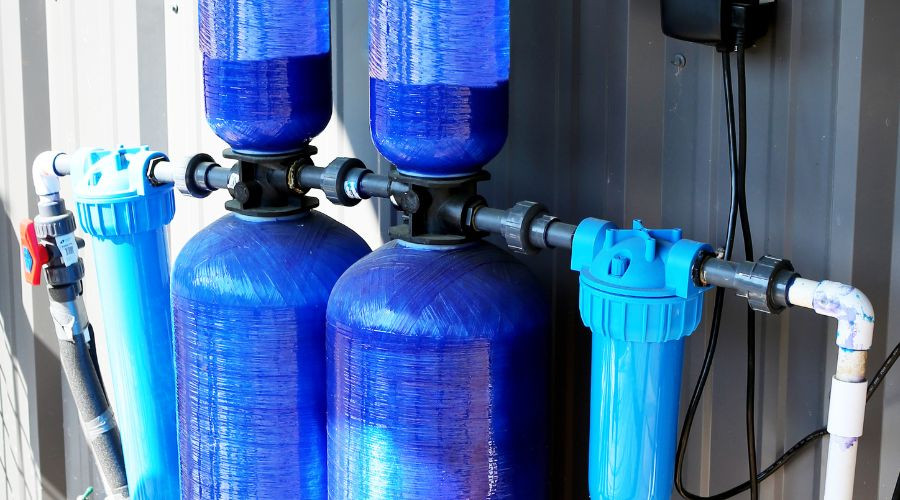
Many focus only on drinking water, overlooking the absorption of chemicals through the skin during bathing. Clean water shouldn’t stop at the kitchen sink. Installing a whole-house water filtration system protects every water source, from showers to washing machines.

According to the Water Quality Association, whole-house systems can remove up to 99% of chlorine and significantly reduce heavy metals like lead and mercury that may be present in municipal water supplies. A home free of chemical worries can be achieved—experience the transformation now. Below are the benefits and steps to get started.

What Do Water Filtration Systems Do?

Every water filtration system serves one critical purpose: removing harmful contaminants from drinking water before they reach the glass. These specialized systems act as protective barriers between potentially contaminated water sources and the household, trapping everything from sediment and chlorine to more dangerous pollutants like lead and bacteria. They work through various filtration mechanisms that target specific impurities. The process is remarkably effective.

The filtration process typically involves multiple stages of purification technology. First, water passes through a sediment pre-filter that captures larger particles like rust, sand, and debris. Moving forward, the water encounters activated carbon filters that adsorb chemicals, improve taste, and eliminate odors through a process called chemical absorption. Is the distinct chlorine smell disappearing after installing a filtration system? That’s the activated carbon doing its job!

More advanced water purification systems may incorporate additional technologies for comprehensive protection. Reverse osmosis forces water through a semipermeable membrane that blocks contaminants as small as 0.0001 microns—tiny enough to stop virtually all bacteria, viruses, and dissolved solids. According to the Water Quality Association, properly maintained filtration systems can remove up to 99% of common water contaminants. Unlike basic pitcher filters, whole-house systems provide continuous protection at every tap, ensuring clean water for drinking, cooking, and bathing simultaneously.

Benefits of Water Filtration Systems

water Installing a whole-house water filtration system provides complete protection from contaminants throughout the entire home. Unlike point-of-use filters that only purify water at specific taps, whole-house systems treat water at the main supply line, ensuring every faucet delivers clean, filtered water. The benefits extend far beyond just drinking water quality.

One of the primary advantages of home water purification systems is their ability to remove a wide spectrum of contaminants, including chlorine, sediment, heavy metals, and volatile organic compounds. This comprehensive filtration approach means protection whether showering, washing dishes, or filling a glass. Appliances will benefit too. Water-using appliances like washing machines and water heaters typically last 2-3 years longer when operating with filtered water, according to research from the Water Quality Association.

Furthermore, whole-house filtration eliminates the need for multiple individual filters throughout the home, creating a more cost-effective solution in the long run. The amount spent on replacement filters and bottled water can be significant. Many homeowners report savings within the first year after installation. Additionally, these systems require minimal maintenance, with filter replacements typically needed only once or twice annually. With improved water taste, reduced scale buildup, and protection for plumbing infrastructure, a whole-house water filter represents an investment in both home value and family well-being.

Signs a Home Needs a Water Filtration System

sinkTap water may be signaling a need for a water filter installation. Recognizing this need often begins with noticing subtle changes in water quality. Unusual tastes, odors, or discoloration can signal contaminants that require attention. These indicators shouldn’t be ignored.

Staining on fixtures and appliances provides compelling evidence of water needing filtration. Orange-brown stains in sinks or toilets may indicate the presence of iron. Blue-green stains suggest copper contamination, while white-scale buildup indicates hard water minerals. According to the Water Quality Association, approximately 85% of American homes have hard water issues that can damage plumbing over time.

Beyond visual cues, paying attention to how water affects everyday life is important. Dry or itchy skin after showering could indicate chlorine levels or hardness minerals affecting the water. Frequent plumbing repairs might also signal water quality problems, as corrosive water gradually damages pipes and fixtures. Water-using appliances that fail prematurely often point to unfiltered water as the culprit. With proper filtration, these appliances typically last 20-30% longer.

About Air Works Heating & Air

Air Works Heating & Air is a plumbing, heating, and air conditioning company that has been serving the Wake Forest area since 2007. They offer flat-rate pricing, 1-year parts & labor warranty, and a satisfaction guarantee. Call them for water filtration system services in Wake Forest, NC.

Signs a Central Heater May Need Repair

When To Call for Heater Repair

As winter temperatures drop, the heating system becomes more than just a convenience—it’s a necessity for comfort and safety. While modern heaters are built to last, they can develop issues that, if left unchecked, may lead to complete system failure, expensive repairs, or dangerous situations. Recognizing the early warning signs of heater problems can prevent the discomfort of a cold house and costly emergency repairs. Whether hearing unusual noises from the vents or noticing a spike in energy bills, understanding these key indicators can address potential issues before they escalate into major problems. This article explores the telltale signs that a heating system might need professional attention.

High Utility Bills

bills A sudden or unexplained spike in utility bills often serves as a clear indicator that the heating system isn’t operating at peak efficiency. When heaters develop mechanical issues or component wear, they typically need to work harder and run longer to maintain desired temperatures, consuming significantly more energy in the process. This increased energy consumption directly translates to higher utility costs, even when heating habits haven’t changed.

Common issues like clogged filters, faulty thermostats, damaged heat exchangers, or deteriorating ductwork can all contribute to this inefficiency. When the system struggles to distribute heat effectively, it compensates by cycling more frequently and running for extended periods, driving up energy usage. If utility bills climb without a corresponding increase in usage or fuel costs, it’s crucial to have the heating system inspected by a qualified technician. Addressing these efficiency issues promptly not only helps reduce energy costs but also prevents more serious damage to the heating system.

Unusual Sounds or Smells

bad smell When hearing unusual sounds and smell odors coming from the heating system, it indicates that something is not right. While all heaters make some operational noise, sudden banging, whistling, scraping, or rattling sounds often indicate mechanical issues such as loose components, failing motors, or damaged blower assemblies. These sounds can signal problems that, if left unaddressed, may lead to system failure or create safety hazards.

Strange smells, particularly burning odors, require immediate attention as they could indicate serious problems within the heating system. A burning electrical smell might suggest overheating components or wiring issues, while a musty odor could mean mold growth in the ductwork. A rotten egg smell could indicate a potentially dangerous gas leak, requiring immediate evacuation and professional intervention. When the heater produces any unusual smell beyond the brief dust-burning odor that occurs during the first startup of the season, it’s crucial to have a qualified HVAC technician inspect the system to prevent potential hazards and ensure proper operation.

Insufficient Heating

One of the most obvious signs that a heating system requires professional attention is insufficient or uneven heating throughout the home. When the heater struggles to maintain the desired temperature or fails to reach the temperature set on the thermostat, this often indicates underlying issues such as failing components, blocked ductwork, or a system losing efficiency. These problems not only compromise comfort but can also lead to increased energy consumption as the heater works harder to compensate for its reduced performance.

Cold spots in certain rooms or areas of the home are equally concerning and typically suggest distribution problems within the heating system. This could be due to damaged or leaking ductwork, malfunctioning zone controls, or a heating unit that’s no longer properly sized for the space. Ignoring these symptoms can lead to more severe system damage and higher repair costs over time, while also forcing the heating system to operate under strain, potentially shortening its lifespan. Professional diagnosis and repair are essential to restore optimal heating performance and prevent further deterioration.

About AirWorks Heating & Air

AirWorks Heating & Air is a family-owned and operated plumbing and heating service company in Wake Forest County. They offer flat-rate pricing, prompt service, and 1-year warranty on labor and parts. Call them for heating, cooling, and plumbing services in Wake Forest, NC, and throughout Wake County.

Diagnosing That Clogged Toilet

How To Find Out Why the Toilet Keeps Clogging

A repeatedly clogged toilet is certainly a pain, but it could be a symptom of a larger problem that must be addressed immediately. This larger symptom is the dreaded sewer line clog. Even if it’s not part of a larger issue, there are things that homeowners can do to prevent clogs from happening in the future. This article will go over three different tips to keep frustrating clogs from happening. Plus, the tips below are good toilet-use tips for any household — even those that don’t (yet) experience clogged toilets. 

Things to NEVER Flush

toilet paper It’s surprisingly confusing to know what should and shouldn’t be flushed down the toilet. Ask ten people, and you’ll likely get very different answers, especially because certain hygiene products are labeled “flushable” when they should never be flushed. In short, nothing but organic human waste and toilet paper should be flushed down the toilet — nothing else. 

Popular wipes are labeled “flushable,” but this is not a good idea. Even if these wipes don’t cause a drain or sewer line clog (a big if), they can wreak havoc on the municipal waste system. Essentially, they gum up the system and make it much harder for sewage to be disposed of properly. Other things that should never be flushed include toilet paper, tissues, diapers, pads, or tampons. 

Try Less Toilet Paper

toilet paper Even though toilet paper is designed to be flushed down the toilet, there is a risk of using too much. This is most often an issue with children who ball up half a roll of toilet paper and use it to wipe once, but there are some life hacks that adults can use, too. 

For children, teach them to fold the toilet paper (as opposed to balling it up or wrapping it around the hand). If the toilet still clogs, homeowners can consider flushing halfway through and once more at the end instead of once. 

Although it might seem like a waste of water at first glance, it’s worth comparing this scenario to how frequently one needs to flush a clogged toilet just to determine if it drains properly. Typically, a minimum of two flushes is necessary, so when everything is considered, this method actually balances out in the end.

Avoid Sewer Line Clogs

Some toilet clogs can be a symptom of a clogged sewer line. Homeowners can tell if this is the cause by observing their other drains. If all the drains or toilets in the house are slow or clogged, then the culprit is likely the sewer pipe. 

If this is the case, the homeowners must call a professional plumbing company to deal with the issue. A plunger or even a drain snake can’t fix a tough sewer line clog, but a professional plumber can. The plumber will use a special camera system to locate the clog. They will likely use hydrojetting to clear the clog from there, provided the pipe isn’t damaged. 

To prevent sewer line clogs, homeowners can ensure that only appropriate material goes down the drain. They can also schedule regular plumbing maintenance checks and drain cleaning to ensure healthy pipes and free-flowing drains.

About Air Works Heating & Air

Air Works Heating & Air has proudly served Raleigh, NC, since 2007! They offer 1-year warranties on parts and labor, no-surprises pricing, and a 100% satisfaction guarantee on every job. Contact them today for sewer line drain cleaning in Raleigh, NC!

Don’t Forget to Maintain the Heater

It’s Still Not Too Late for Heater Maintenance 

Heaters work hard year after year to keep the home warm. Like any other equipment, they must be maintained properly to keep them operating reliably and efficiently. Most often, professionals recommend heater maintenance in the fall before the heater sees heavy use. It allows for easier scheduling and repairs without interrupting service. However, even if heater maintenance was neglected in the fall, it is not too late to schedule maintenance and benefit from it. This post will discuss heating maintenance and its advantages. 

Benefits of Maintaining the Heater

save money Spending a little money on the heater every year in the form of heater maintenance can reduce the cost of operating the heater during the winter. To start, a well-maintained heater is less likely to suffer from catastrophic problems that require high heater repair bills. Since experts have a chance to address small, potential problems every year, repair bills stay lower. Additionally, a well-maintained heater will use less gas and power to keep a home warm. A heater with routine maintenance performed yearly will have better efficiency and performance. When heating the home makes up a large portion of monthly utility bills, better efficiency becomes a huge tool for cost reduction. 

A system that receives routine attention will last longer and perform more safely. When heater maintenance is done, the system’s total amount of wear and tear is lower because parts stay lubricated and clean. Since fewer parts fail, the total damage is lower over the heater’s lifespan, allowing it to last much longer. In addition to lasting longer, the furnace will stay safer because of routine inspections and maintenance. 

What Does Heater Maintenance Entail?

heater Professional heater maintenance is a service that most heating contractors offer. Many will offer it as part of a membership or service agreement, while others call the service a heater tune-up, giving the owner the flexibility to schedule it when needed. Either way, the services are very similar. They will entail steps like: 

  • Cleaning the inside and outside of the machine
  • Burner cleaning and inspection
  • Testing of all safety mechanisms
  • Verification of delivery temperatures
  • Testing the thermostat
  • Cycling the heater and looking for potential problems 

How Often to Plan for Heating Maintenance 

Heater maintenance can be broken down into two parts. The first part is up to the homeowner. Furnace filters aren’t just to clean up the air in the home. Replacing them periodically is intended to keep contaminants in the air from getting inside the heater and causing issues and to avoid airflow problems that can cause inefficiency and higher heating costs. Homeowners should perform air filter replacement every three months for maximum protection. Changing them on the first day of each season is a good way to remember. 

Homeowners should also remember to schedule heater maintenance annually. So, twice per year, maintenance is recommended. Once for their air conditioner with AC maintenance and once for the heating system with heater maintenance performed by professionals. Remembering these valuable tasks can help homeowners enjoy reliable, comfortable heat with lower operating costs.  

About Air Works Heating & Air

Air Works Heating & Air offers heating maintenance as part of a membership. Memberships make scheduling easy and ensure timely service every year. Call today for heater repair or maintenance services in Franklinton, NC

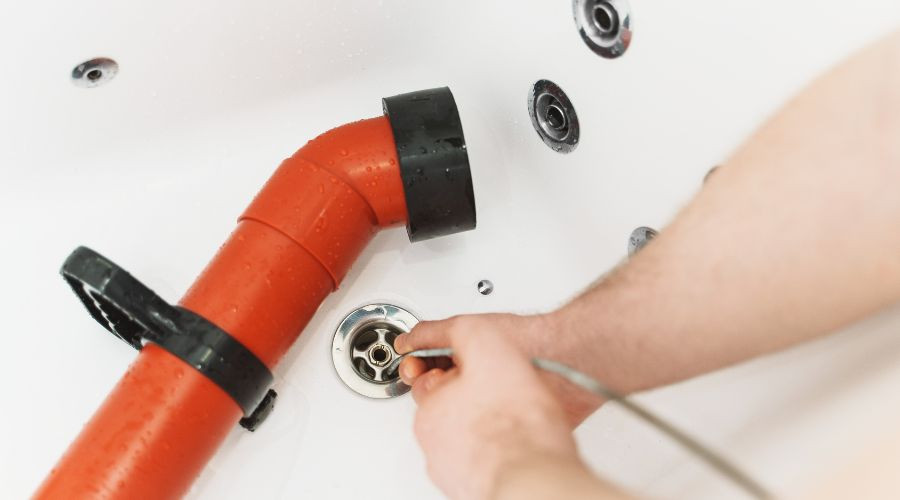
Person's arm using flexible hose and orange pipe for plumbing maintenance near circular drain in bathtub setting.

Three Warning Signs of a Clogged Sewer Line Every Homeowner Should Know

Clear Signs It Is Time for Professional Drain Cleaning

Clogged sewer lines can lead to some pretty nasty issues. If a backup occurs, these issues can affect the home and public health. It’s much better to be aware of the warning signs and take action when a potential drain issue is discovered. Homeowners should be familiar with the warning signs and identify problems quickly to resolve them. Below are three common signs of a sewer line clog. 

1. Strange Gurgling in the Pipes

Elderly man listening intently, illustrating the importance of recognizing gurgling noises in pipes as a sign of potential sewer line clogs.A great early warning sign is when the pipes make gurgling noises. If a homeowner hears gurgling when a faucet is running, or the toilet is flushed, this is a sign of a sewer line clog or obstruction that must be addressed before it worsens. 

Gurgling sounds happen because a blockage is beginning to happen within the sewer line. The movement of the items in the sewer line cannot properly move through, so it forces air through the blockage, which leads to gurgling noises. 

These are some common blockages and obstructions in a sewer line: 

  • Various debris
  • Foreign objects
  • Grease buildup
  • Tree roots
  • Damage to the line
  • Toilet paper and other buildup

When a gurgling sign is heard or noticed, it is best to call a plumber. They can clean the drain with hydrojetting or a drain snake that will help clear the obstruction or blockage and get the sewer line back to normal operations. 

2. Water or Sewage Backing Up

When a sewer line clog is not resolved or noticed, it can lead to a backup in the line. This can happen with water or sewage and should be treated with care. This is an alarming sign, and it should never be ignored. Sewage backup can be very hazardous and should only be handled with the right safety measures. 

When a backup occurs, it is typically caused by a significant blockage, and nothing can move through the line. The line starts to back up at some point because it has nowhere else to go until it is clear. This can happen due to various clogged sewer line issues or tree root intrusion. 

If wastewater is backing up, it is very serious and can cause health risks from contamination. It must be addressed immediately, and a plumber should be called immediately. 

3. Sluggish Drains and Standing Water

Close-up of a drain with water swirling around, illustrating sluggish drainage and potential plumbing issues related to sewer line blockages and standing water.Finally, drains that are sluggish or leave standing water while they drain slowly are another common sign that it’s time to take action. When the drain is slow in any of these areas, there is a problem: 

  • Bathtubs
  • Showers
  • Sinks

Anywhere that water should drain could be affected. If a homeowner notices it draining unusually slowly, this is a great early warning sign to take action before it worsens. This can happen from pipe damage from debris or a partial obstruction. 

About AirWorks Heating & Air

AirWorks Heating & Air is a local company with respectable and highly-trained technicians. They offer flat rate pricing and warranties on parts and services. Call them today for drain cleaning services in Wake Forest, NC

Water heater and furnace with pipes in a utility room by Air Works Heating & Air, highlighting HVAC maintenance needs.

Avoid the Drama of an Overheating Furnace

A Guide to Dealing With an Overheating Furnace 

Most people fire up their furnaces for the first time in the fall, and for too many homeowners, their systems may manifest a problem or two. 

One of the major problems around the home at this time of year is overheating furnaces. Due to the units sitting idle all summer long and the lack of heater maintenance, most problems will manifest earlier in the season or right about not. Here is a professional guide from local experts to help homeowners successfully prevent overheated furnaces. 

Complications From an Overheating Furnace 

Carbon monoxide alarm mounted on a wall, highlighting safety measures for preventing complications from overheating furnaces.Furnaces can reach immense temperatures in their attempts to keep the home warm. When fossil fuels are burned for heat, they must be kept carefully contained to prevent several major problems. Four of the major complications of overheating furnaces include: 

  • Loss of Heat: Furnaces are equipped with shutoffs if they overheat. When the heat exchanger gets too hot, the unit turns off to prevent damage or fires. Often, the safety devices have to be manually reset before the furnace cycles again, allowing HVAC technicians to search for an underlying cause. 
  • Damage to the Heater: High heat caused by an overheating furnace can cause serious damage to the furnace, requiring high repair bills. 
  • Carbon Monoxide Exposure: When gas overheats, it may not fully combust, leading to the formation of carbon monoxide, a poisonous gas. If carbon monoxide is formed and allowed to leak out of the heater, people and pets in the home could be exposed to this dangerous substance. 
  • Fires: If the safety devices are damaged or bypassed, fires are a serious threat when a furnace overheats. Once the heat melts the ductwork and heat exchanger, the fire can spread to the home, causing serious damage. 

Signs of an Overheating Furnace

Overheating furnaces can make homeowners uneasy. However, learning the signs of overheating furnaces takes some of the apprehension away. When the signs are noticed early, homeowners can take action before the worst happens. Some of the signs to look out for are: 

  • Burning smells
  • No heat coming from the vents 
  • Humming noises
  • Warping of external furnace components
  • Evidence of overheating, like scorch or soot marks 

How to Prevent Overheating Furnaces 

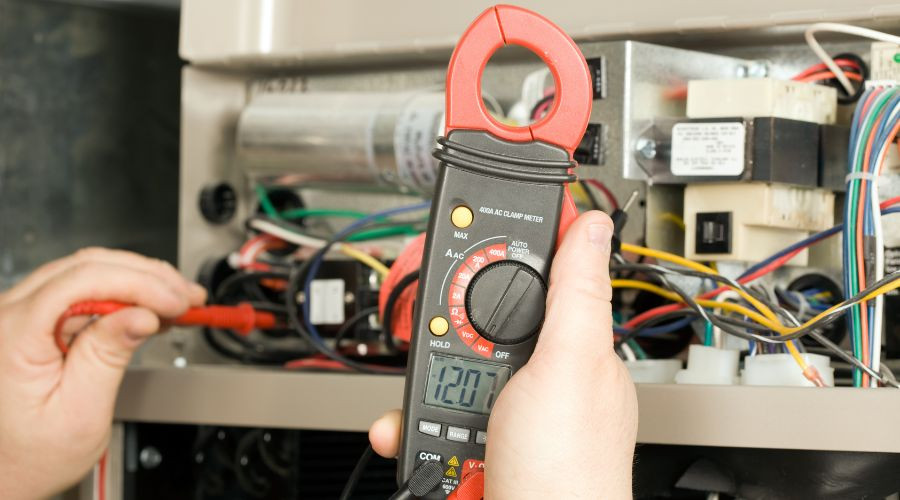
Technician using a multimeter to check electrical connections inside a furnace, illustrating maintenance practices to prevent overheating and ensure safety.For the most peace of mind, homeowners should take preventative action. By taking the right steps all year long, homeowners can virtually eliminate the threat of overheating furnaces. The first task is always to keep clean air filters in place. Replacing air filters every three months helps keep flammable dust out of ductwork and allows for good airflow. 

The second task for homeowners to help them prevent overheating furnaces is to call the pros. Professional heater maintenance in the fall can ensure the furnace or heating system is in good shape and ready to handle the coming season. By allowing technicians the chance to spot potential problems, homeowners can focus on the fun of the season instead of the inherent risks. 

About Air Works Heating & Air

Air Works Heating & Air helps prevent furnace fires with professional heating maintenance and duct cleaning. Breathe easier this year knowing the home is safe and the air is clean with help from their teams. Call today for HVAC service in Franklinton, NC. 

Two-story yellow house with a porch and green lawn, surrounded by autumn foliage, representing Air Works Heating & Air.

Don’t Get Stuck With Frozen Pipes This Winter!

Prevent Freezing Pipes With a Few Simple Steps

While frozen pipes can be a major inconvenience, burst pipes are the real problem. Water is one of the few things that expands when it goes from liquid to solid form, putting strain on the enclosed area of a home’s plumbing. 

When pipes burst, this causes many other problems, including water damage, high water bills, and a need for serious plumbing repair. In the following paragraphs, discover steps to protect a home’s plumbing system against freezing and bursting.

Step #1: Insulate Pipes

Insulating pipes is as important as insulating the home. Not every pipe needs to be insulated because walls do some insulating themselves. The key is insulating exposed pipes that are most likely to freeze. Places such as unfinished basements, crawl spaces, and under sinks are prime areas for pipe insulation. It is a simple DIY that’s fast and easy to perform. Pipe insulation looks like pool noodles split like a hot dog bun. Below are some steps to follow should homeowners opt to DIY:

  • Measure: Measure the circumference and length of the pipes to purchase the right amount.
  • Purchase: Go to the hardware store and buy the insulation.
  • Cut: Cut the pipe insulation to the correct length.
  • Place: Wrap the pipes with the insulation.
  • Secure: Fasten the insulation around the pipes with duct tape or something similar.

Step #2: Keep the Temperature Consistent in the House and Open Cabinet Doors

Open kitchen cabinet with organized storage, showcasing cleaning supplies and dishware, emphasizing the importance of allowing heat circulation to prevent pipe freezing in the context of HVAC maintenance.Even if a household is away from the home, the pipes can still freeze. That is why it is important to keep the heat going even when no one is home. If the weather is particularly cold, opening cabinet doors to allow the heat to circulate will help prevent pipe freezing. Reasons to do all this include:

  • Expanding and contracting with the heat and cold can weaken the pipe’s integrity, especially a metal one.
  • Both sewer and supply pipes can freeze, so both should be insulated, and the cabinets surrounding them should be left open. 
  • Pipes can break under the foundation or the ground, but consistent temperatures help spread heat and reduce the chance of this happening. 

Step #3: Cover Hose Bibs After Disconnecting the Hose

Hand disconnecting a hose from an outdoor faucet, highlighting the importance of preparing hose bibs to prevent pipe freezing during cold weather.If one place is a chink in the armor of pipe insulating, it is outdoor faucets. The hose bib is often the location where pipe freezing begins. Disconnecting the hose and using a hose bib cover can prevent many problems. 

This simple preparation can save a household from nasty emergency plumbing problems. A cover can be purchased at a local hardware store. It will cost only a few dollars and could save a homeowner a hefty sum if it prevents freezing and burst pipes.

About Airworks Heating & Air

Airworks Heating & Air serves the Raleigh, NC, area with 100% satisfaction guaranteed. With every appointment, their expert staff offers personalized service and honest advice, never starting work without providing a detailed estimate. Call today to enjoy top-rated plumbing services in Raleigh, NC!

Person cleaning a ceiling vent with a bristle tool, showcasing Air Works Heating & Air maintenance services.

The Essentials of Air Duct Cleaning

Why Ductwork Cleaning Should Be on a Homeowner’s Maintenance List

While the heating and air conditioning unit is the heart of the HVAC, the air ducts are the arteries that send the temperature-controlled air throughout the home. Just as the arteries need to be clear to get blood and oxygen to the rest of the body, air ducts need to be clean to keep the home comfortable. Fortunately, duct cleaning is much easier than cleaning out arteries. This article will cover the basics of professional duct cleaning.

Why Clean Air Ducts?

As the introduction states, air ducts are an important part of the overall HVAC system. There are many reasons to have air ducts cleaned. Let’s go over them in a bulleted list.

  • Clean ducts mean a more energy-efficient system.
  • Clean air ducts mean more consistent temperatures.
  • Clean air ducts can mean lower utility bills.
  • Clean air ducts mean better indoor air quality.

Cleaner air ducts and regular HVAC maintenance can improve the quality of life around the house, especially for those with chronic respiratory difficulties. The money savings can make it easier to relax while still being comfortable.

Signs of Dirty Air Ducts

Dirty air vent with visible dust and debris, indicating the need for air duct cleaning and HVAC maintenance.One might ask how a homeowner knows when to clean their ducts. Well, several telltale signs point to a need for duct cleaning. These indicators can also point to a more serious issue with the HVAC system, and the household should keep up with their annual professional maintenance to ensure that everything is working properly. Signs that air ducts need cleaning are listed below.

  • Dirty Air Filters: If the air filters or the vents look dirty, then it is likely that the ducts need to be cleaned as well.
  • Foul Smells: Musty smells are typically what a homeowner would get from dirty ducts, but the smell can be much worse if there is a pest problem.
  • Poor Air Flow: Reduced airflow in certain parts of the house can mean a duct that needs cleaning.
  • Uneven Temperature Control: If some of the airflow is hindered, some parts of the house won’t get as much heat or cooling as the rest of the house. This hinders the efficiency of the whole HVAC system.
  • Whistling sounds: If hissing or whistling is coming from the vents, the ducts either need to be cleaned or have some damage that needs to be inspected.

Tricks for Keeping the Ductwork Clean

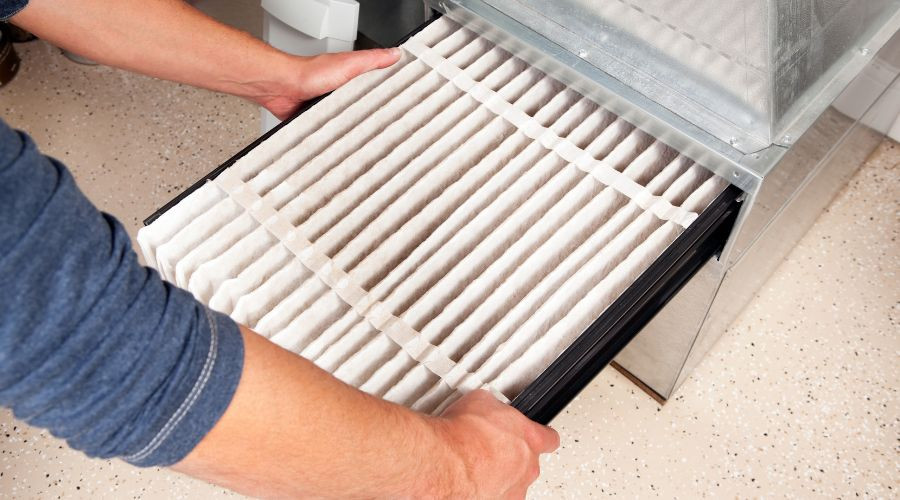
Person changing air filter in HVAC system to maintain cleaner air ducts and improve air quality.Though annual AC maintenance and heating maintenance will help keep the ducts clean, there are other things that a homeowner can do to keep their air ducts clean. Keeping the home dust-free through dusting, vacuuming, and mopping will help keep the air quality high and the ducts cleaner. Changing air filters every three months also facilitates keeping the air ducts clean.

About Air Works Heating & Air

Air Works Heating & Air is a family-owned and operated business that serves Franklinton, NC, and the surrounding communities. This company is a proud North America Duct Cleaning Association (NADCA) member, has highly skilled and trained technicians, and focuses on providing honest and transparent services. Call today for NATE-certified technicians and flat-rate pricing on duct cleaning in Franklinton, NC!

Distribution Links +